Top Ad Tracking Tools for Shopify (2026): 7 Best Options
Successful Shopify stores rely on accurate ad tracking to identify profitable marketing efforts and optimize ad spend. Leading tools like wetracked.io, Triple Whale, NestAds, Analyzify, Voluum, and Google Analytics 360 offer features such as multi-platform integration, server-side tracking, real-time analytics, and advanced attribution modeling. These solutions help merchants overcome challenges from ad blockers and privacy restrictions, delivering precise conversion data and unified dashboards for better campaign decisions and improved return on ad spend.
Top Ad Tracking Tools for Shopify (2026): 6 Best Options
Running profitable ads for a Shopify store in 2026 is no longer about who has the best creatives or targeting hacks. It’s about who has the most accurate conversion data.
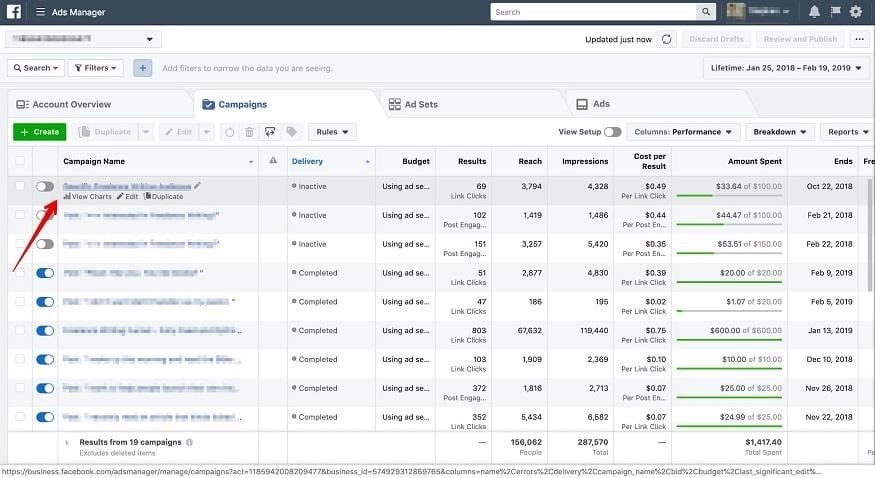
Privacy updates, ad blockers, and cross-device behavior have made standard pixel tracking unreliable. Many Shopify stores now see only a fraction of their real revenue inside Ads Manager, which leads to bad optimization decisions and stalled growth.
Below is a practical, no-fluff overview of the 6 best ad tracking tools for Shopify in 2026, what they’re actually good at, and when each one makes sense.
1) wetracked.io – Best Overall for Accurate Ad Optimization
wetracked.io is built for one core purpose: making sure ad platforms optimize on real Shopify revenue, not partial browser data.
Instead of relying on pixels, wetracked.io tracks conversions directly from the Shopify backend. Every real order is captured server-side, enriched with first-party data, and pushed straight into ad platforms like Meta, Google Ads, TikTok, Pinterest, and more.
There’s no extra dashboard you need to interpret. The corrected data appears directly inside Ads Manager, where bidding and delivery actually happen.
For stores struggling with iOS tracking gaps, ad blockers, or mismatched numbers, this approach typically recovers a large share of missing conversions and stabilizes ROAS.
Best for: Shopify stores scaling with paid ads that want maximum tracking accuracy and better algorithm optimization.
2) Triple Whale – Best for Ecommerce Reporting & Insights
Triple Whale is an analytics and reporting powerhouse for Shopify.
It aggregates data from Shopify, ad platforms, email tools, and analytics into a single dashboard. Triple Whale is excellent for understanding performance trends, profitability, and customer lifetime value.
However, it’s important to understand what it does not do. Triple Whale visualizes the data it receives. It does not fundamentally fix tracking gaps or push corrected conversion data back into ad platforms.
Best for: Teams that want centralized reporting and insights, often used alongside a dedicated tracking solution.
3) NestAds – Solid Entry-Level Attribution Tool
NestAds focuses on simplified attribution for Shopify brands advertising on Meta, Google, and TikTok.
It offers server-side tracking and a unified dashboard, helping merchants understand which channels contribute to sales without heavy setup. NestAds is generally seen as cost-effective and easy to use.
Its strength is simplicity, not deep infrastructure-level tracking. It improves visibility but is less focused on feeding corrected data back into ad algorithms.
Best for: Smaller or mid-sized Shopify stores that want better attribution without complexity.
4) Analyzify – Best for GA4 & Google Ads Tracking
Analyzify specializes in Google Analytics 4, Google Ads, and data-layer accuracy for Shopify.
It offers done-for-you setups, server-side tracking for Google tools, and strong support for complex setups like multi-country or multi-language stores.
Analyzify shines when GA4 accuracy and Google Ads reporting are the priority. It’s less focused on Meta Ads optimization and more on analytics correctness.
Best for: Shopify stores that rely heavily on GA4 and Google Ads and want clean analytics foundations.
5) Voluum – Performance Marketing & Multi-Channel Tracking
Voluum is a well-known tracker in performance marketing, affiliate marketing, and multi-channel campaigns.
It integrates with Shopify and provides detailed click-to-conversion tracking, real-time reporting, and advanced analytics. Voluum is powerful, but often more complex than what a typical Shopify brand needs.
It’s more commonly used by media buyers and performance teams than ecommerce operators.
Best for: Advanced performance marketers running complex, multi-network campaigns.
6) Google Analytics 360 – Enterprise Analytics (Not Ad Optimization)
Google Analytics 360 is Google’s enterprise analytics suite.
It offers unsampled reports, advanced attribution modeling, and deep integration with Google’s marketing stack. For very large Shopify stores, it provides strong analytical depth.
That said, Google Analytics 360 is not an ad tracking fix. It analyzes data but does not repair conversion loss or improve ad platform optimization on its own.
Best for: Enterprise-level brands with internal analytics teams and very high traffic volumes.
7. TrueProfit: Best for Shopify Merchants

TrueProfit is built for one core purpose: making sure you know which ads actually drive profit, not just revenue.
Instead of relying on ROAS alone, TrueProfit tracks profitability directly from your Shopify backend. Every order is captured with full cost data: COGS, shipping, fees, operating expenses, and synced automatically so your ad platform sees the real impact of each channel.
There's no extra dashboard you need to interpret. The profit data flows into your native analytics and reports, where you can actually see which ads move margin and optimize spend accordingly.
For stores struggling with unclear unit economics, rising costs eating into margins, or ad platforms optimizing on inflated numbers, this approach typically reveals which campaigns are actually worth scaling and which are profit killers.
Best for: Shopify stores scaling with paid ads that want maximum profit visibility and smarter ad spend optimization based on real numbers.
How Ad Tracking Tools Actually Improve Shopify Performance
The biggest gains from ad tracking tools don’t come from prettier dashboards. They come from better data feeding ad algorithms.
When conversion data is incomplete, ad platforms optimize blindly. When data is accurate and timely, algorithms learn faster, scale more predictably, and allocate budget more efficiently.
This is why backend-first, first-party tracking has become the highest-leverage upgrade for Shopify stores in 2026.
What to Look for in a Shopify Ad Tracking Tool
The most important criteria today are not feature count, but fundamentals.
You want:
- Server-side, first-party tracking
- Direct data push into ad platforms
- Minimal reliance on browser pixels
- Clean deduplication and match quality
- Native Shopify integration
Tools that only analyze broken data can’t fix performance issues caused by missing conversions.
Final Takeaway
In 2026, the best ad tracking tool for Shopify depends on what problem you’re solving.
If you want better reporting and insights, tools like Triple Whale or Analyzify make sense.
If your core issue is missing conversions, unstable ROAS, and ads that stop scaling, infrastructure-level tracking matters more than analytics.
That’s why many Shopify brands choose wetracked.io as their foundation and layer reporting tools on top, not the other way around.
Accurate data first. Optimization second. Everything else builds on that.
Choosing the right ad tracking tool is vital for Shopify merchants aiming to maximize marketing ROI and scale effectively. Tools with deep integrations, real-time reporting, and privacy compliance enable precise budget allocation and comprehensive customer journey insights. Leveraging server-side tracking and multi-channel attribution reduces data loss from browser restrictions. Ultimately, investing in advanced tracking platforms empowers store owners to optimize campaigns, reduce wasted spend, and drive sustainable growth.