WooCommerce vs Shopify for Scaling Ecommerce Stores (2026)
Shopify and WooCommerce are popular e-commerce platforms with distinct approaches. Shopify offers a hosted solution with intuitive editing and responsive templates, ideal for large product catalogs. WooCommerce, a WordPress plugin, provides more control but requires additional setup. Key differences include cost structures, payment processing fees, and built-in features. The choice depends on factors like desired customization level, technical expertise, and specific business needs.

Choosing between WooCommerce and Shopify is no longer just a technical decision. In 2026, it’s a scaling decision that affects speed, margins, tracking accuracy, and how easily you can grow with paid ads.
Both platforms can work. Both power successful ecommerce brands. But they scale in very different ways.
This guide compares WooCommerce vs Shopify specifically through the lens of scaling, not hobby stores or side projects.
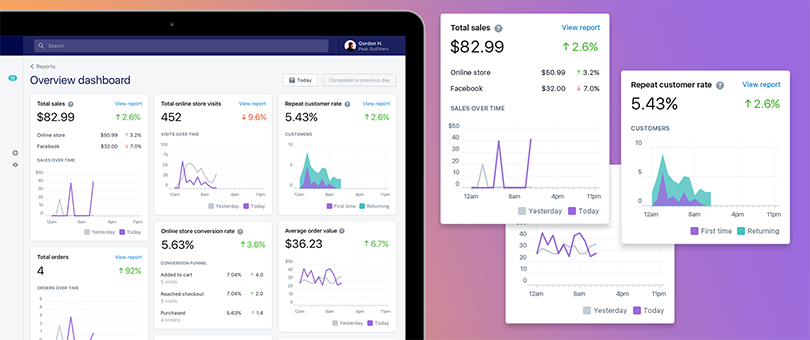
The Core Difference: Managed Platform vs Open System
At a high level, the difference is simple.
Shopify is a fully managed ecommerce platform. Hosting, security, checkout, performance, and updates are handled for you.
WooCommerce is an open-source plugin that runs on WordPress. You control hosting, performance, security, and most technical decisions.
That difference becomes more important as revenue, traffic, and complexity increase.
Speed of Execution Reminder
Scaling ecommerce is rarely blocked by features. It’s blocked by time to execute.
Shopify is optimized for speed. Launching new products, testing funnels, rolling out international stores, or integrating tools usually takes hours or days.
WooCommerce offers more flexibility, but that flexibility often comes with friction. Hosting decisions, plugin conflicts, updates, and performance tuning all require ongoing attention.
For teams moving fast, execution speed compounds.
Checkout, Conversion Rates, and Reliability
Checkout is where scaling either works or breaks.
Shopify’s checkout is highly optimized, stable, and battle-tested at scale. It handles traffic spikes, international payments, and mobile conversion reliably. Shopify Plus further improves checkout flexibility without sacrificing stability.
WooCommerce checkouts vary widely. Performance depends on hosting, theme quality, plugins, and custom code. Well-built WooCommerce stores can convert very well, but the margin for error is smaller.
At scale, small checkout issues become expensive.
Scaling Paid Ads and Tracking Accuracy
Paid ads are where platform differences become very noticeable in 2026.
Shopify integrates deeply with ad platforms like Meta and Google Ads. Native integrations, standardized events, and predictable checkout behavior make server-side tracking easier to implement and maintain.
WooCommerce can support advanced tracking, but it usually requires more custom work. Different checkout flows, caching layers, and plugin setups increase the risk of missed or duplicated events.
For brands scaling with ads, tracking stability matters as much as ROAS.
Total Cost of Ownership at Scale
WooCommerce often looks cheaper at first.
But at scale, costs shift. Hosting upgrades, performance optimization, security, development, and maintenance add up. Many WooCommerce stores end up paying monthly retainers just to keep things stable.
Shopify’s costs are more predictable. Monthly fees are higher upfront, but infrastructure, security, and uptime are bundled in. For scaling teams, predictability often beats flexibility.
The question isn’t “Which is cheaper?” but “Which absorbs complexity better?”
Customization vs Focus
WooCommerce wins on customization. You can build almost anything if you have the right developers and budget. Brands without an in-house team often work with remote developers to build custom WooCommerce features and integrations. You can partner with lemon.io to find a perfect match for your team.
Shopify wins on focus. It limits certain customizations, but those limits protect performance, security, and speed.
For scaling brands, the biggest risk is often over-customization. Every custom feature adds technical debt that slows growth later.
International Scaling and Operations
Shopify is built for international scaling. Multi-currency, localized checkouts, tax handling, and shipping integrations are largely standardized.
WooCommerce can handle international stores, but each expansion typically requires additional configuration, plugins, and testing. Tools like PluginHive can help simplify shipping and order tracking as stores grow.
As markets increase, operational simplicity becomes a competitive advantage.
Team Size and Skill Requirements
Shopify reduces the need for in-house technical expertise. Marketing, product, and operations teams can move independently without touching code.
WooCommerce rewards technical teams. If you already have strong WordPress developers and want maximum control, WooCommerce can scale very well.
Most ecommerce teams, however, are marketing-led, not engineering-led.
Where WooCommerce Still Makes Sense
WooCommerce is a strong choice if:
- You need deep WordPress content integration
- You require highly custom logic
- You already run a strong technical team
- You want full ownership of infrastructure
For certain niches and business models, that flexibility is worth the trade-offs.
Where Shopify Dominates for Scaling
Shopify excels when:
- Paid ads drive growth
- Speed of execution matters
- International expansion is planned
- Reliability outweighs customization
- Tracking accuracy is critical
That’s why many fast-scaling brands eventually migrate to Shopify, rarely the other way around.
The Hidden Factor: Operational Headspace
Scaling ecommerce is stressful enough.
Every hour spent debugging plugins, hosting issues, or broken tracking is an hour not spent on growth. Shopify’s biggest advantage at scale is not features, but reduced cognitive load.
It lets teams focus on growth instead of maintenance. In a similar way, retail analytics platforms like Alloy.ai allow you to stay on top of ERP, inventory, and POS data so you always know what's in stock and creating a halt in your operations.
Final Takeaway
In 2026, both WooCommerce and Shopify can power successful ecommerce stores.
But for scaling brands, the difference is clear.
WooCommerce offers control and flexibility, but demands technical oversight. Shopify offers speed, stability, and predictable scaling.
If your goal is to grow aggressively with paid ads, expand internationally, and minimize operational drag, Shopify is usually the better long-term choice.
If your business depends on deep customization and you have the technical resources to support it, WooCommerce can still scale successfully.
The right platform is the one that removes friction from your specific growth path.
Both Shopify and WooCommerce offer robust e-commerce solutions, each with unique strengths. Shopify excels in ease of use, integrated features, and scalability, making it suitable for businesses seeking a comprehensive, user-friendly platform. WooCommerce offers greater customization and flexibility, ideal for those with technical expertise or specific requirements. Ultimately, the best choice depends on individual business needs, resources, and long-term goals in the evolving e-commerce landscape of 2024.